Digitally Wired: How Distribution System…
Biomethane is emerging as a key pillar in Europe’s energy transition. As a low-carbon, locally produced fuel, it strengthens energy security while reducing emissions and supporting local economies.
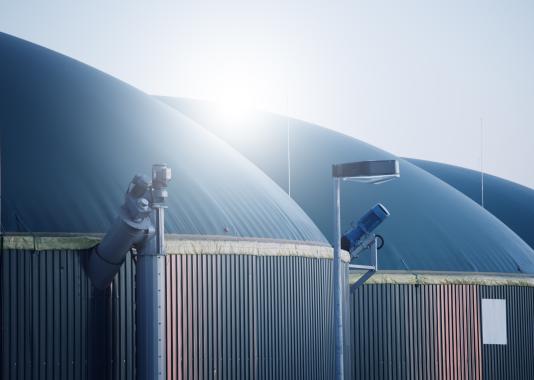
Biogas, produced through anaerobic digestion, is a sustainable energy source that recycles CO₂ from the short carbon cycle. Unlike natural gas, which releases long-stored carbon, biogas and biomethane offer a far lower carbon footprint and can reduce emissions by up to 80%. Beyond environmental benefits, biogas production is rooted in local supply chains. Each facility supports long-term jobs and enhances energy independence by ensuring that fuel is produced and consumed locally.
Biomethane production in Europe has been expanding rapidly. In 2023, output grew by 18% compared with the previous year, reaching 52 TWh. Despite this progress, biomethane still represents only 22% of total biogas production, with the majority continuing to be used in combined heat and power generation. The EU’s REPowerEU plan, launched in 2022 in response to energy security challenges, set a target of 35 bcm (around 370 TWh) of biomethane by 2030. While growth rates are strong, averaging between 22% and 33% annually, the sector must scale significantly to meet this ambition.
Biomethane is positioned to play a central role in Europe’s decarbonisation journey. To realise its potential, the sector must continue to expand production capacity, refine financing models, and harmonise certification systems across borders. Achieving these goals will reduce dependence on fossil gas, support climate commitments, and generate local economic benefits. In doing so, biomethane can establish itself as both an environmental and strategic asset, helping Europe move closer to a cleaner, more resilient energy future.
Partner Energy | Paris
Sebastien is a Partner in the Energy practice based in Paris. He brings with him more than 25 years of experience in the energy sector, with strong expertise across the entire energy value chain, and a focus on market analysis, strategic positioning, and regulatory frameworks.