Destinations Are Investing in MICE Tourism. The…

Articles, podcasts, use cases, research and insights.

As the general election is approaching, Sia takes a closer look at a significant problem in the Netherlands: energy poverty. This study estimates the number of affected households and highlights the differences with poverty. It also puts a few recommendations forward.

In the Dutch energy sector, mergers and acquisitions have been present already before the market liberalization, when small regional energy companies merged into larger energy companies.
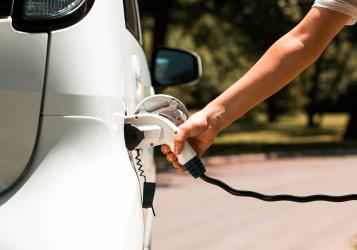
A study on the need of public charging infrastructure to foster sucess of electric vehicles in Belgium.

The Belgian energy market is about to evolve remarkably in 2018. The creation of a new federal clearing house and the implementation of the new energy market process model MIG6.0 will have a significant impact on the data exchange and the market processes structuring the electricity and gas market.

Data scientists can play a key role in the organization of a Distributed System Operator (DSO). Amidst a tsunami of data, facilitated by an increasing intelligent distribution grid, data scientists are able to create value from raw data.
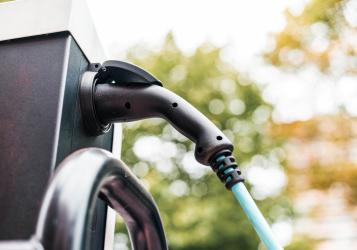
Diesel is currently the fuel type of choice for all road related transport. Price volatility as well as negative environmental effects will lead to a decreasing importance of diesel. As of today, several companies are already experimenting with new technologies to gain competitive advantage.
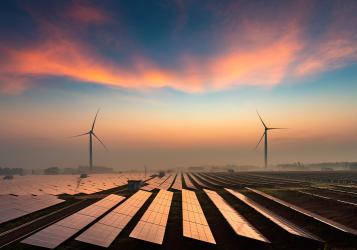
In September 2013 the Dutch government, together with dozens of organisations and interest groups, signed the Dutch Energy Agreement (in Dutch: Energieakkoord) which holds the energy ambitions and targets up until 2023. Since then discussions around the Energy Agreement pop up almost daily.
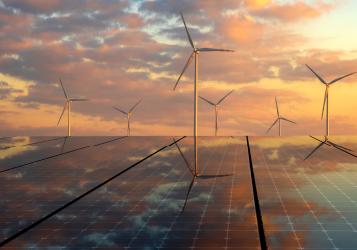
The continued introduction of distributed generation will affect the electricity transported on the transmission grid. Sia Partners estimates that, in the coming four years, this will result in a loss of revenues for Elia of about EUR 60 million, compared to 2013.
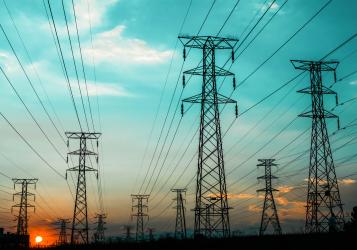
According to the European Network of Transmission System Operators (ENTSO-E), Europe could lack up to 47 GW generation capacities by 2020. This significant figure reflects the tough economic conditions faced by power plant operators.